
If you move to Spain or indeed are a regular visitor here, you'll find there are some fruits and vegetables which are common some parts of the country but are very uncommon back in your home country.
Calçots
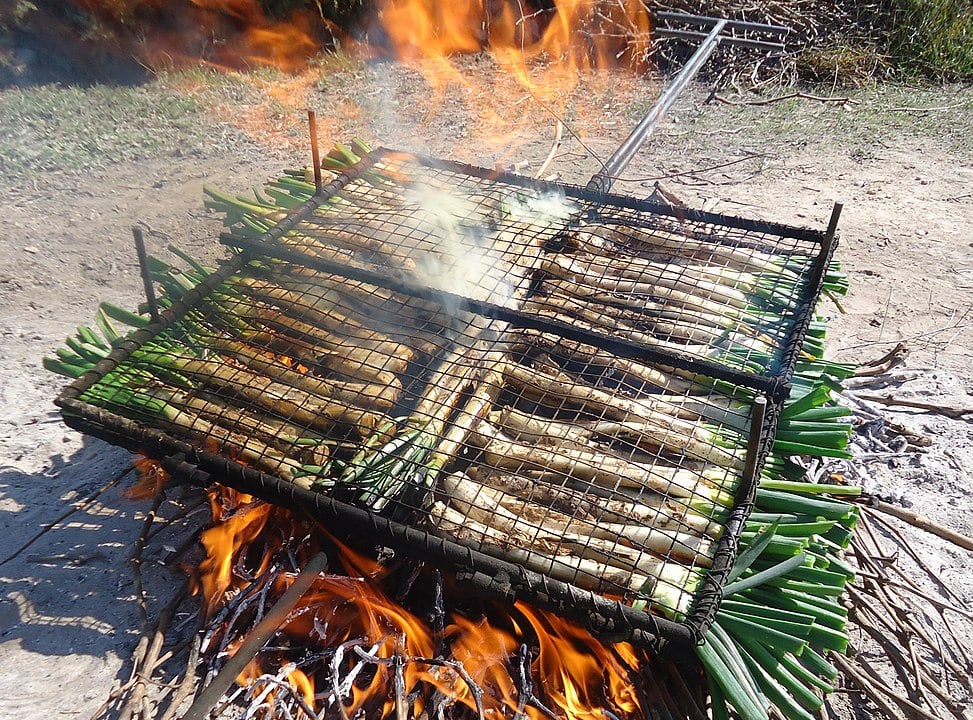
These are essentially onions which are grown in a special way so that they become long and tender. They taste like a cross between a sweet leek and a spring onion.
READ ALSO: Calçots - How to make, eat and enjoy Catalonia's winter treat
They’re mostly found in Catalonia during winter and early spring and are typically barbecued over hot coals. Once cooked, they're dipped into a sauce called romesco made from tomatoes, garlic, almonds, hazelnuts, red pepper, olive oil and vinegar. You'll find them enjoyed at special parties or in set menus known as calçotadas.
Cardo (Cardoon)
This thistle-like winter vegetable is related to the artichoke or alcachofa in Spanish.
The prickly stalks are peeled, cooked and used as an ingredient in stews or paired with certain sauces. You won’t find them everywhere here, but they’re typically eaten in Aragón and Navarre, as well as La Rioja during winter and Christmas time. They're typically white, but you will find red versions sometimes in Navarre.

Grelos (Turnip greens)
The tender green shoots and leaves of the top of the turnip plant are used a lot in Galician cooking. Its cultivation in Galician lands dates back thousands of years, and it was already part of medieval crop rotations as early as the 12th century.
One of the most important dishes you’ll find them in is Caldo Gallego (Galician broth) and lacón con grelos (cured pork shoulder with turnip greens).

Membrillo (Quince)
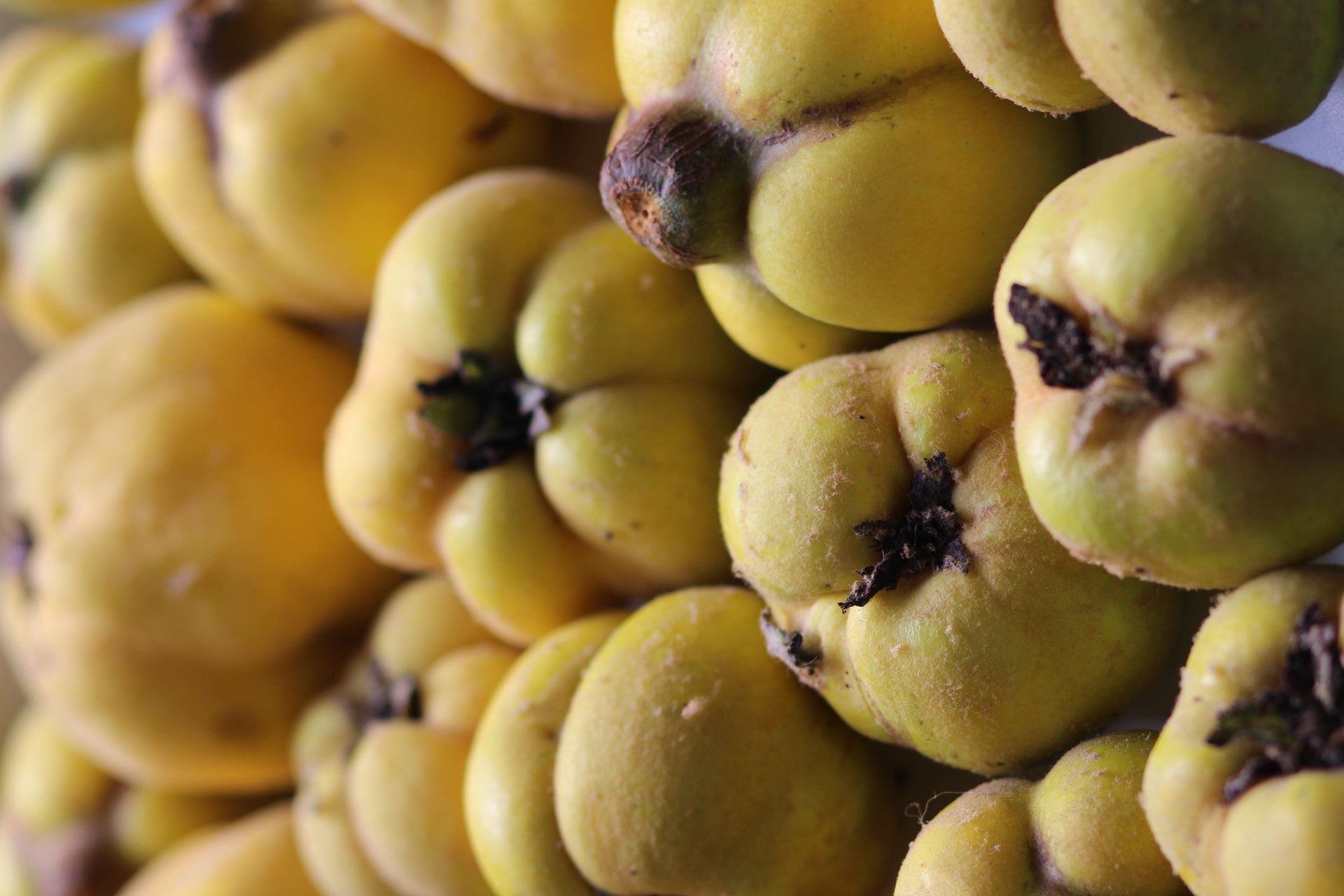
Quince is a hard, gold-coloured fruit that looks a bit like a mini apple or a pear and is covered in peach-like fuzz.
In Spain, along with many countries in South America, they’re cooked and made into a firm jam or jelly called membrillo. This is often eaten with cheese as a dessert.
The town of Puente Genil in Córdoba produces nearly half of the 12 million kilograms harvested annually in Spain.
Borraja (Borrage)
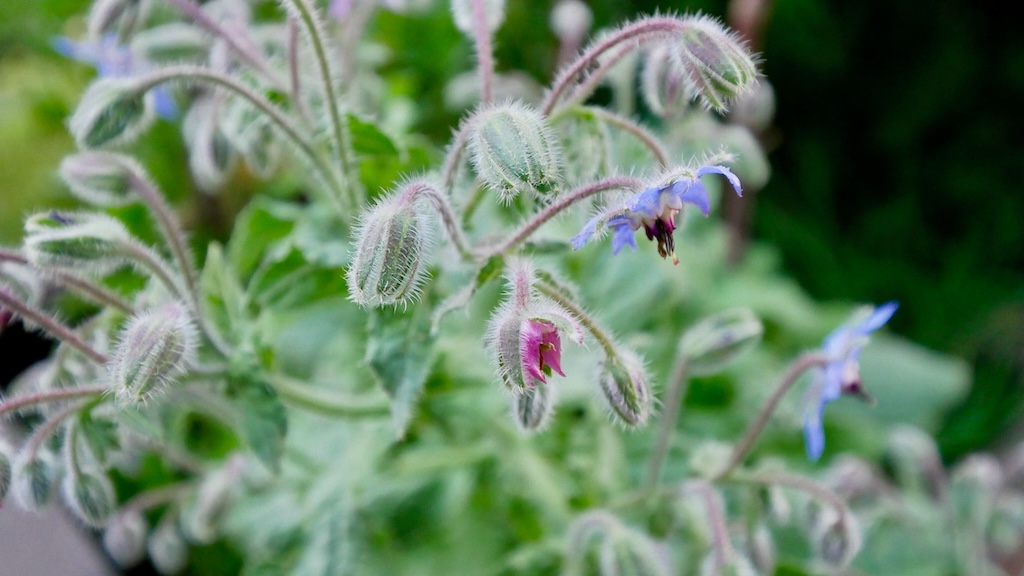
Borrage is a type of herby flowering plant, which is very traditional in Aragón, while it is hardly eaten at all in southern Spain.
The stems are often boiled or steamed and eaten with potatoes. They can also be found in La Rioja, Navarre and the Basque Country. The Moors called it the 'queen of vegetables' and considered it one of the four great vegetables in Spain along with asparagus, aubergines and artichokes.
Nísperos (Loquats)
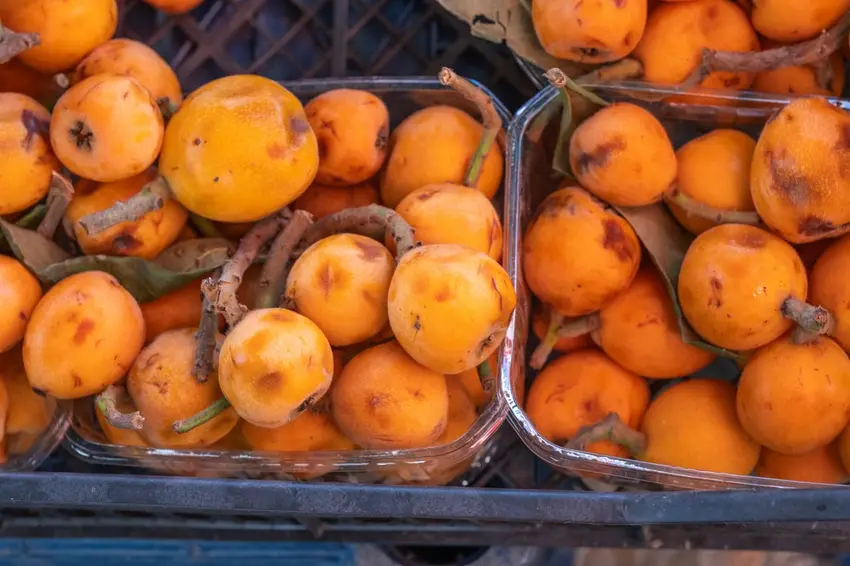
Loquats are tart yellow-orange coloured stone fruits originally from China, but which are cultivated in the Mediterranean.
They were introduced to Spain in the early 19th century, some sources say by a sailor while others say by a botanist.
They are particularly popular in Alicante and Málaga.

Pimientos de Padrón (Padrón peppers)
While these are famous throughout Spain, often found on tapas menus around the country, you can rarely find them elsewhere.
This is because they’re from a specific part of Galicia called Padrón.
They’re small green peppers, which are fried, sprinkled with salt and then eaten whole. Most are completely mild, but some say you’ll occasionally find a spicy one.

Chufa (Tiger nuts)
These are a type of tuber, in the same family as the potato, and look like small wrinkly chickpeas.
In Spain, they’re pressed to extract a milky liquid, which is the main ingredient of an horchata drink. While they’re found all over, it’s Valencia which is famous for horchatas. The liquid is mixed with sugar and water and often topped with cinnamon.
It was the Moors who introduced them to Spain during the Middle Ages.

Espárrago blanco (White Asparagus)
In Spain they grow a particular type of white asparagus known as Espárrago de Navarra because it grows in the northern region.
It can be found growing along the Ebro river basin and has protected status.
They are thick and smooth, unlike their green cousins and have a distinct flavour.
Harvesting is all by hand and it's a very labour-intensive process, carried out daily during the spring months mainly between April and June.
In Spain, they're typically eaten with a dash of olive oil or mayonnaise as a cold starter before meals.

Berenjena de Almagro (Almagro aubergine)
This type of aubergine is very different to the type that you’re used to in other countries. It is quite small and can be eaten in just a couple of bites.
It comes from the region of Castilla-La Mancha and is usually cooked quickly and then pickled or marinated with vinegar and spices. This process takes between four and 15 days.
They pair well with vermouth. Like many of the other vegetables on our list it came from the Moors almost 1,000 years ago.

Collejas (Bladder campion or maiden’s tears)
This is a type of wild green herb that would be considered a weed in many places.
However, in certain parts of Spain they use it to flavour stews, tortilla or scrambled egg.
It is also used in special Easter stews in Castilla-La Mancha, Andalusia, Extremadura and in Ibiza.

Comments